


Los Angeles, CA
Oven repair in Los Angeles County.
94 cities and neighborhoods across Los Angeles County, part of Los Angeles — 14 with a page on what that place does to an oven.
Mon–Sat, 8am–8pm
- 94 places covered
- 14 with a page
- 10 repairs we do here
Book a visit
Three short steps, about a minute.
or call (844) 407-1890
Loading appointment form…
The appointment form couldn’t load. Please try again.
What Los Angeles County does
to an oven.
Where ovens sit in Los Angeles County: specified kitchens, houses that entertain, gated communities.
All of Los AngelesSpecified kitchens
Panel-free fronts, flush installation and European hardware mean the oven door must sit exactly in line with the cabinets, so a hinge or gasket repair ends with the door aligned to the joinery.
Houses that entertain
Big gatherings mean the oven is opened and closed constantly, which wears hinges and gaskets faster, and heavy trays on the door when it is open strain the hinges more than daily use.
Gated communities
Houses behind a gate often have a double wall oven with a steam or speed oven beside it, and each unit gets its own check on a visit because a problem in one can hide behind the others.
Where we go
in Los Angeles County.
94 cities and neighborhoods across Los Angeles County, part of Los Angeles, 14 of them with a page on what that place does to an oven. The same visit in each.
Bel Air
Bel Air is divided into three sections, East Gate Old Bel Air, West Gate Bel Air and Upper Bel Air, with its two main gates on Sunset Boulevard at Beverly Glen and at Bellagio Way.
Beverly Hills
Kitchens designed around pro-style wall ovens, often a double oven paired with a steam oven, where the cooking is serious and the cabinetry fits each unit to the fraction of an inch.
Brentwood
Houses where the household entertains indoors and out, so the wall ovens carry long holiday roasts and catering-size bakes, and a double oven is the usual layout.
Calabasas
Calabasas joined Clean Power Alliance's service in 2019 and set its default at the agency's fully renewable option.
Hancock Park
Leading architects of the 1920s designed Hancock Park's two-story houses in Period Revival styles, from Tudor and English Revival to Spanish Colonial, Monterey and American Colonial Revival.
Holmby Hills
Holmby Hills was developed by the Janss Investment Company at the same time as neighboring Westwood, and it is historically distinct from Bel Air and Beverly Crest.
Malibu
Houses right on the coast that can sit empty between visits, so the wall oven's controls and door lock face salt air and long idle stretches together, and the first bake back often finds the problem.
Manhattan Beach
Manhattan Beach electricity accounts moved to Clean Power Alliance in 2019, and the city chose the all-green tier as the default.
Pacific Palisades
Houses close to the ocean, many of them being rebuilt, where new kitchens get new wall ovens and older ones near the bluffs show salt on hinges and control panels.
Palos Verdes Estates
Frederick Law Olmsted Jr.
Pasadena
Craftsman bungalows and mid-century houses side by side, some with a gas wall oven from decades ago and others remodeled around a new electric double oven.
San Marino
Most of San Marino's homes were built between 1920 and 1950, and they look little like the houses of the surrounding Southern California neighborhoods.
Santa Monica
Santa Monica moved its electricity supply to Clean Power Alliance in February 2019, with 100 percent renewably sourced power as the citywide default.
Studio City
On January 8, 2025, during that month's Southern California wildfires, a house fire in Studio City spread to neighboring homes.
Also covered in Los Angeles County
- Agoura HillsNearly three-quarters of the homes in Agoura Hills went up in the 1970s and 1980s.
- AlhambraNearly a quarter of Alhambra's homes are from 1939 or before, and its median build year is 1960.
- ArcadiaArcadia's biggest wave of homebuilding came in the 1950s, which supplied roughly 26 percent of its present dwellings.
- Beverly GrovePre-1940 buildings make up roughly 28 percent of the dwellings in ZIP code 90048, the postal area around Beverly Grove.
- BeverlywoodThe Beverlywood Homes Association owns and maintains several private parks inside the neighborhood.
- BradburyOf Bradbury's few hundred homes, about 38 percent were built during the 1950s.
- BurbankBurbank's homebuilding peaked in the 1940s, the decade behind roughly 22 percent of the city's current dwellings.
- Canoga ParkCanoga Park's 91303 ZIP code has seen heavy recent building, with roughly one home in three completed since 2000.
- CarthayAs mapped by the Los Angeles Times, Carthay is bounded by Wilshire Boulevard, Fairfax Avenue, Pico Boulevard and La Cienega Boulevard.
- Century CityHome construction peaked in Century City's 90067 ZIP code during the 1980s, a decade that accounts for 38 percent of the homes standing there now.
- ChatsworthChatsworth's 91311 ZIP code grew fastest in the 1970s, when close to a third of its present homes were completed.
- Cheviot HillsMonte Mar Vista, the most affluent part of Cheviot Hills, was developed between 1926 and 1940 on sixteen blocks bordered by Hillcrest Country Club, Cheviot Hills Park and Rancho Park Golf Course.
- Culver CityCulver City added more homes in the 1970s than in any other decade, about one in four of those standing today.
- Del ReyFederal Housing Administration redlining plans of the 1930s gave Del Rey a low rating.
- Echo ParkIn Echo Park's 90026 ZIP code, 46 percent of the homes date from before 1940.
- El SegundoEl Segundo's median home was completed in 1964, per the Census Bureau's five-year estimates ending in 2024.
- EncinoThe postwar boom shaped Encino's 91436 ZIP code more than any other era: 37 percent of its homes went up during the 1950s.
- FairfaxAny exterior change to a building in the Beverly Fairfax Historic District, named by the city in 2019, needs approval from the Los Angeles Office of Historic Resources.
- GlendaleGlendale keeps a sizable prewar core, with about a fifth of its homes older than 1940, though its median build year is 1966.
- Granada HillsMost of Granada Hills is mid-century modern, and its notable tracts include the Knollwood Country Club area and the Knollwood Grove tract.
- Hermosa BeachThe median Hermosa Beach home was finished in 1968, per the American Community Survey.
- Hidden HillsHalf of the housing in Hidden Hills went up in the 1950s and 1960s, by 2020–2024 Census estimates.
- HollywoodHousing in Hollywood's 90028 ZIP code spans the century, with about a quarter built before 1940 and more than a quarter built since 2000.
- Hollywood / Central LAThe city's planning department splits Central Los Angeles into six Community Plan areas under one Area Planning Commission.
- Hollywood HillsRoughly three in ten homes in ZIP code 90068, which spans much of the Hollywood Hills, predate 1940.
- Hollywood Hills WestLaurel Canyon Park, Wattles Garden Park and Runyon Canyon Park, all run by the city, lie within Hollywood Hills West.
- KoreatownMany of Koreatown's Art Deco buildings with terra cotta facades survived because they stayed useful to the new businesses that moved in.
- La Cañada FlintridgeLa Cañada Flintridge built about 34 percent of its homes in the 1950s, and its median construction year is 1957.
- Lake BalboaRoughly 29 percent of the homes in ZIP code 91406, which takes in Lake Balboa, went up during the 1950s.
- Larchmont VillageLarchmont was first called Glenwood and took its present name in 1912, most likely after Larchmont, New York.
- Laurel CanyonIn 1910 a trackless trolley, the first commercial trolley bus line in the United States, began carrying passengers up Laurel Canyon Road.
- Los FelizClose to one Los Feliz home in three, counting the whole 90027 ZIP code, was standing before 1940.
- Malibu / Santa Monica MountainsThe Santa Monica Mountains Local Coastal Program, approved in 2014, separates private land that needs strict protection from property that may be developed under its rules.
- Mar VistaMar Vista's surviving mid-century modern houses cluster on Beethoven, Meier and Moore streets, and many began as basic, low-cost homes.
- Marina del ReyAbout 30 percent of Marina del Rey's homes are from 2010 or later.
- Mid-WilshireIn 2015 residents of Oxford Square, a historic Mid-Wilshire neighborhood between Pico and Olympic boulevards, were lobbying for a Historic Preservation Overlay Zone.
- Miracle MileHouses in the Miracle Mile North HPOZ are mostly single-family and share a uniform scale, massing and setback.
- MonroviaAbout 17 percent of Monrovia's dwellings predate 1940, and the city's median build year is 1962.
- Mount OlympusBefore its houses went up, Mount Olympus was a steep slope of scrub and sage known as goatland.
- Nichols CanyonA 1904 fire was reported to have utterly devastated Nichols Canyon along with neighboring Laurel Canyon.
- North HollywoodBy 1903 the Lankershim area that became North Hollywood was known as the Home of the Peach.
- NorthridgeNorthridge's 91324 ZIP code took shape largely after World War II, and the 1950s alone supplied close to a quarter of its dwellings.
- PalmsPalms sits in ZIP code 90034, where the median apartment or house was finished in 1971.
- Pico-RobertsonPico-Robertson became home to the Los Angeles Museum of Tolerance in 1993.
- Playa del ReyAs of 2016, the smallest of SoCalGas's four underground natural gas storage fields lay just north of Playa del Rey, near LAX.
- Playa VistaSince 2002 the city's building department has required methane mitigation at Playa Vista, with a membrane shield laid under the buildings and a system of vents.
- Porter RanchThe Aliso Canyon field north of Porter Ranch was, as of 2016, the largest of the four underground gas storage facilities SoCalGas ran.
- Rancho Palos VerdesRancho Palos Verdes owes more of its homes to the 1960s than to any other decade, about 38 percent.
- Rancho ParkRancho Park is one of the few districts in Los Angeles where residents can watch the leaves change color in the fall.
- Redondo BeachRedondo Beach did a quarter of its homebuilding during the 1970s and has a median build year of 1973.
- ResedaIn Reseda's 91335 ZIP code, some 37 percent of today's dwellings date from the 1950s.
- Rolling HillsNearly half of Rolling Hills' residences, about 45 percent, date from the 1950s.
- Rolling Hills EstatesRolling Hills Estates grew in two equal waves, with the 1950s and the 1970s each supplying about 30 percent of its dwellings.
- San Fernando ValleyLos Angeles took in the old Rancho El Escorpión for Canoga Park and West Hills in 1959 and the historic Porter Ranch in 1965 for new planned developments.
- San GabrielClose to 40 percent of San Gabriel's homes were built before 1950, by 2020–2024 Census estimates.
- San Gabriel ValleyThe average San Gabriel Valley household held 3.28 people in the 2000 Census, above the 2.98 for Los Angeles County as a whole.
- SawtelleAround Sawtelle, in ZIP code 90025, the median residence dates to 1975.
- Sherman OaksSherman Oaks homes in ZIP code 91423 were typically built in 1966, the midpoint year in American Community Survey tables.
- Sierra MadreSierra Madre's median home dates from 1959, and nearly a fifth of its houses were built before 1940.
- Silver LakeRacial covenants kept architect Eugene Kinn Choy from building in Silver Lake until 1949, after he went door to door for the approval of every house in the neighborhood.
- South BayThe South Bay Cities Council of Governments counts fifteen member cities, along with the Harbor City, San Pedro and Wilmington communities of Los Angeles and unincorporated county areas.
- South PasadenaOne South Pasadena home in three was already standing before 1940.
- Sunset StripSunset Strip clubs such as the Whisky a Go Go and the Roxy were home stages for Los Angeles metal bands from Van Halen to Guns N' Roses.
- TarzanaTarzana's 91356 ZIP code filled in fastest during the 1970s, which account for about 39 percent of the homes there today.
- Temple CityTemple City's largest building decade was the 1950s, which supplied about 29 percent of its homes.
- Toluca LakeFor Toluca Lake's 91602 ZIP code, the survey puts the median build year at 1973.
- TopangaTopanga's peak decade of construction was the 1960s, when about 26 percent of its homes were built.
- TorranceTorrance is overwhelmingly a postwar city, with six in ten homes built during the 1950s and 1960s.
- Valley GlenValley Glen shares ZIP code 91401, whose homes have a median construction date of 1968.
- Valley VillageThe typical home in Valley Village's 91607 ZIP code was finished by 1969, the median year in Census figures.
- Van NuysVan Nuys housing in ZIP code 91405 has a median construction year of 1973.
- VeniceMuch of Venice's housing predates today's zoning rules by decades, and between 2007 and 2022 its count of available housing units actually fell.
- West HillsWest Hills homes in ZIP code 91307 have a median build year of 1966.
- West HollywoodWest Hollywood's apartment-heavy stock has a median construction year of 1965, and around 17 percent of its dwellings are older than 1940.
- WestchesterWestchester has seen a boom in additions to its postwar ranch houses, and in complete rebuilds of them as larger two-story homes.
- Westlake VillageWestlake Village's housing is concentrated in the 1960s, the decade behind about 36 percent of it.
- WestsideThe Westside is home to the University of California, Los Angeles, whose main campus lies in the Westwood neighborhood.
- WestwoodWestwood Village, a planned 55-acre shopping district just south of UCLA, was only the second district of its scale ever built, after Kansas City's Country Club Plaza.
- Windsor SquareWindsor Square was planned so that one garden ran into the next, with walls and fences between lots discouraged to keep a park-like setting.
- Woodland HillsOn September 6, 2020, the Pierce College gauge in Woodland Hills hit 121 degrees, the highest temperature ever recorded in Los Angeles County.
A visit in
Los Angeles County.
Four steps from the call to a working oven, the same in all 94 places of Los Angeles County.
What repairs cost- 01Heat it up first
- 02The cost before the work
- 03Parts in the van
- 04Repaired, then tested hot
When an oven
cannot wait in Los Angeles County.
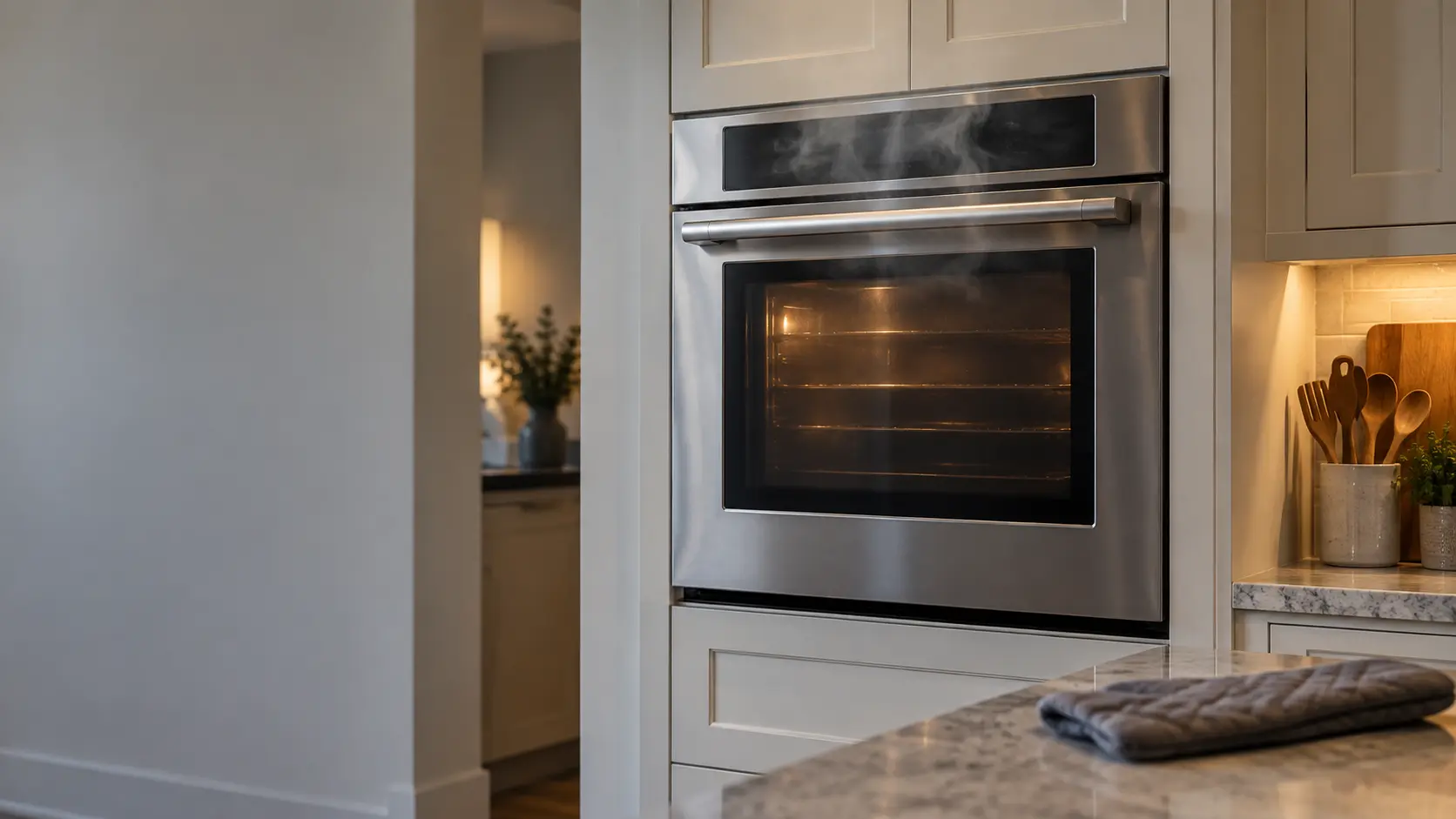
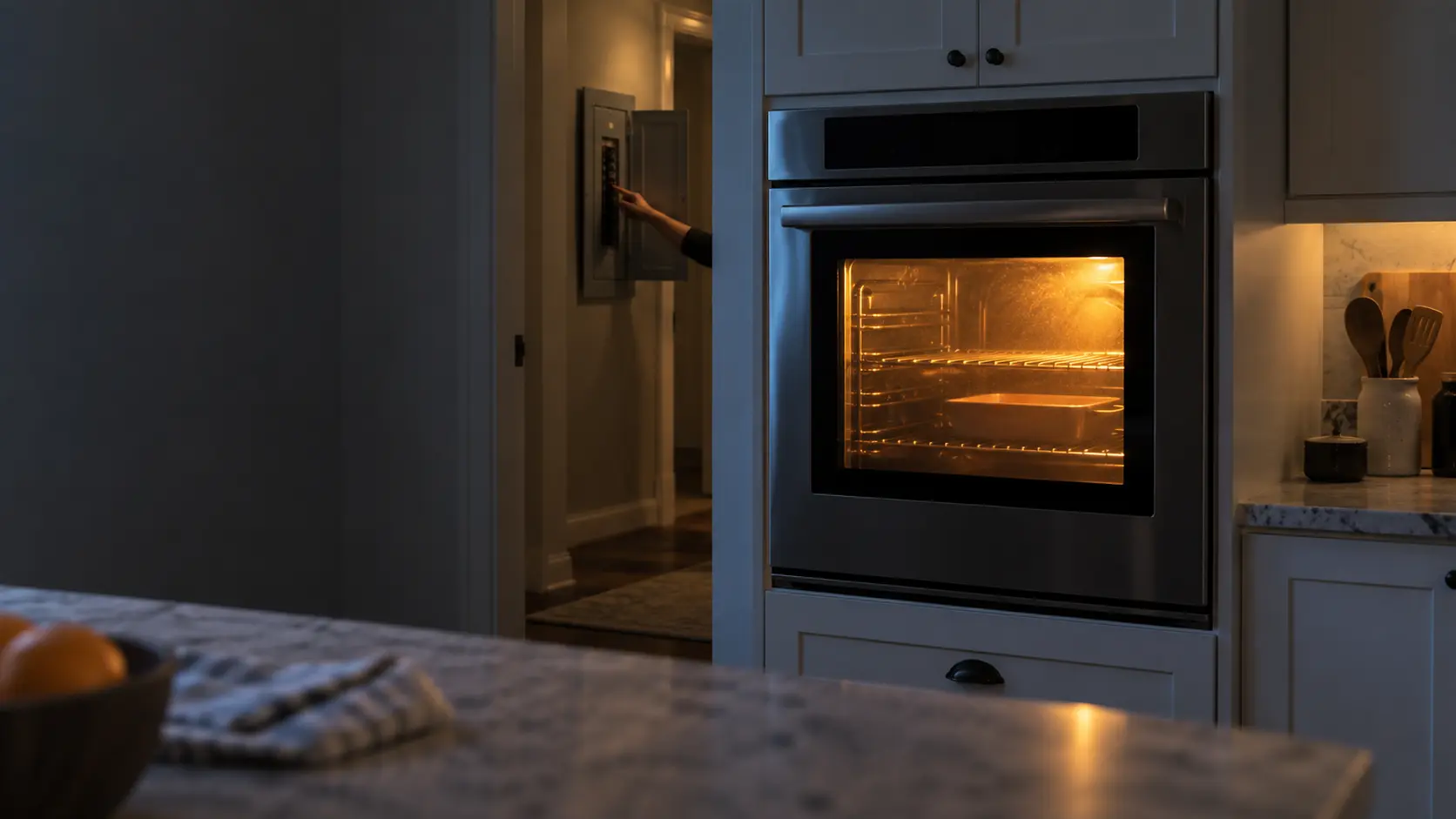
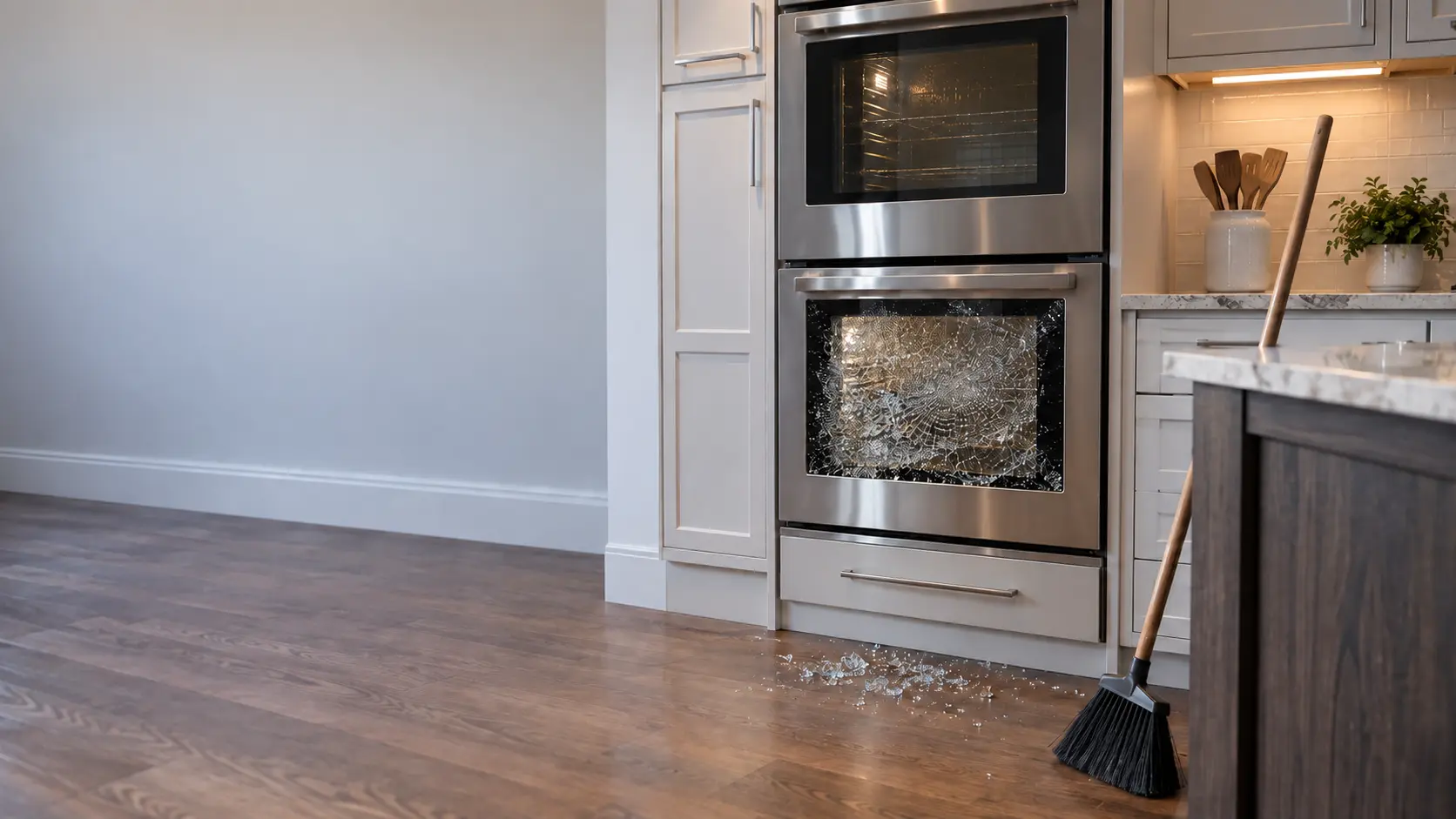
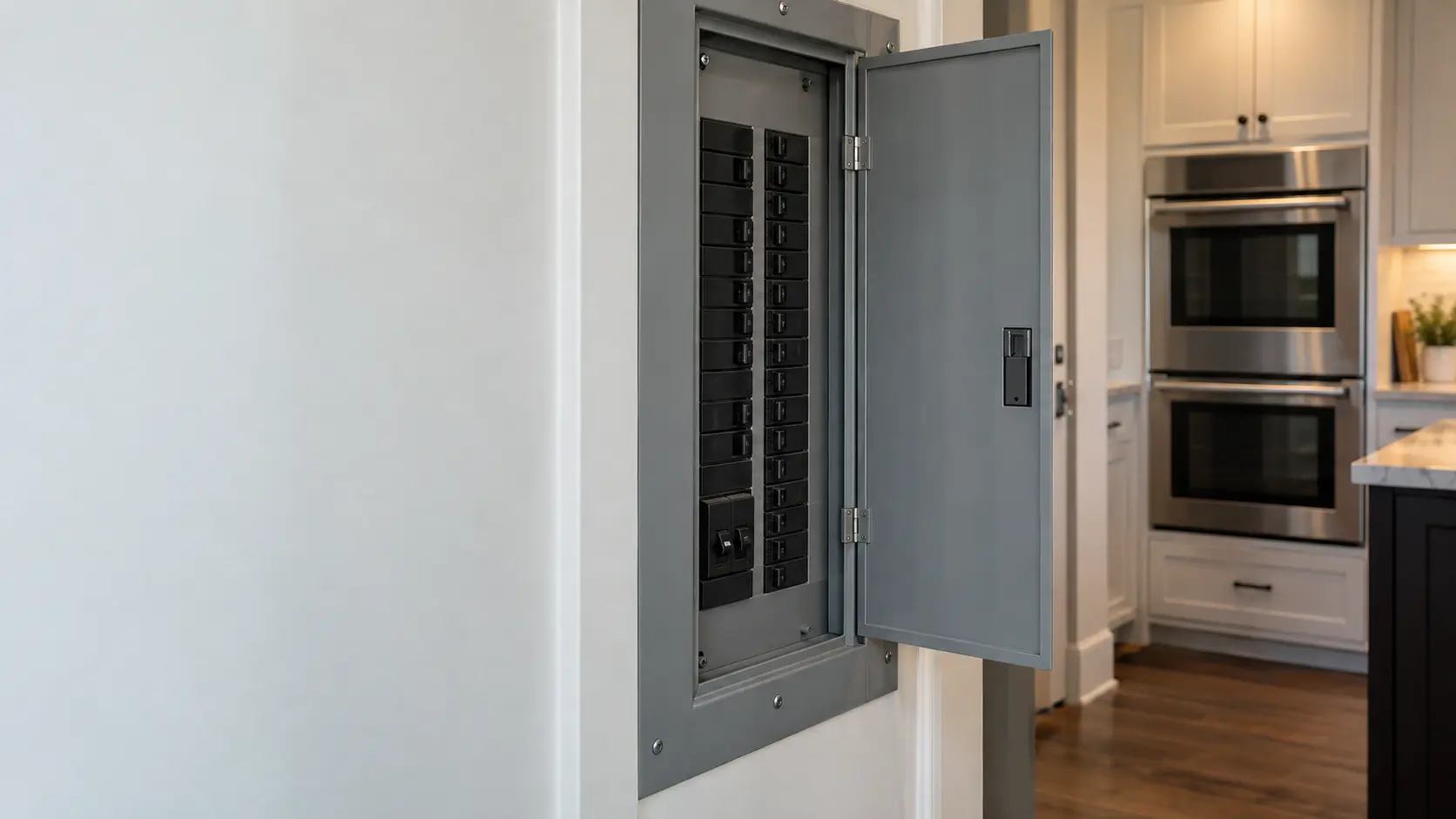
Across Los Angeles County, the five problems where gas, flame or live wiring is the risk.
All 17 problems
All of
Los Angeles.
Los Angeles County is the county where we repair ovens in Los Angeles.
All of Los AngelesBack to your everyday
Oven trouble in Los Angeles County?
Book with the town, what you are seeing and the model number — 94 places across Los Angeles County, the same oven visit in each.